Can an album exist without demanding attention?
[sounds]
Can an album exist without demanding attention?
[sounds]
Can an album exist without demanding attention?
[sounds]
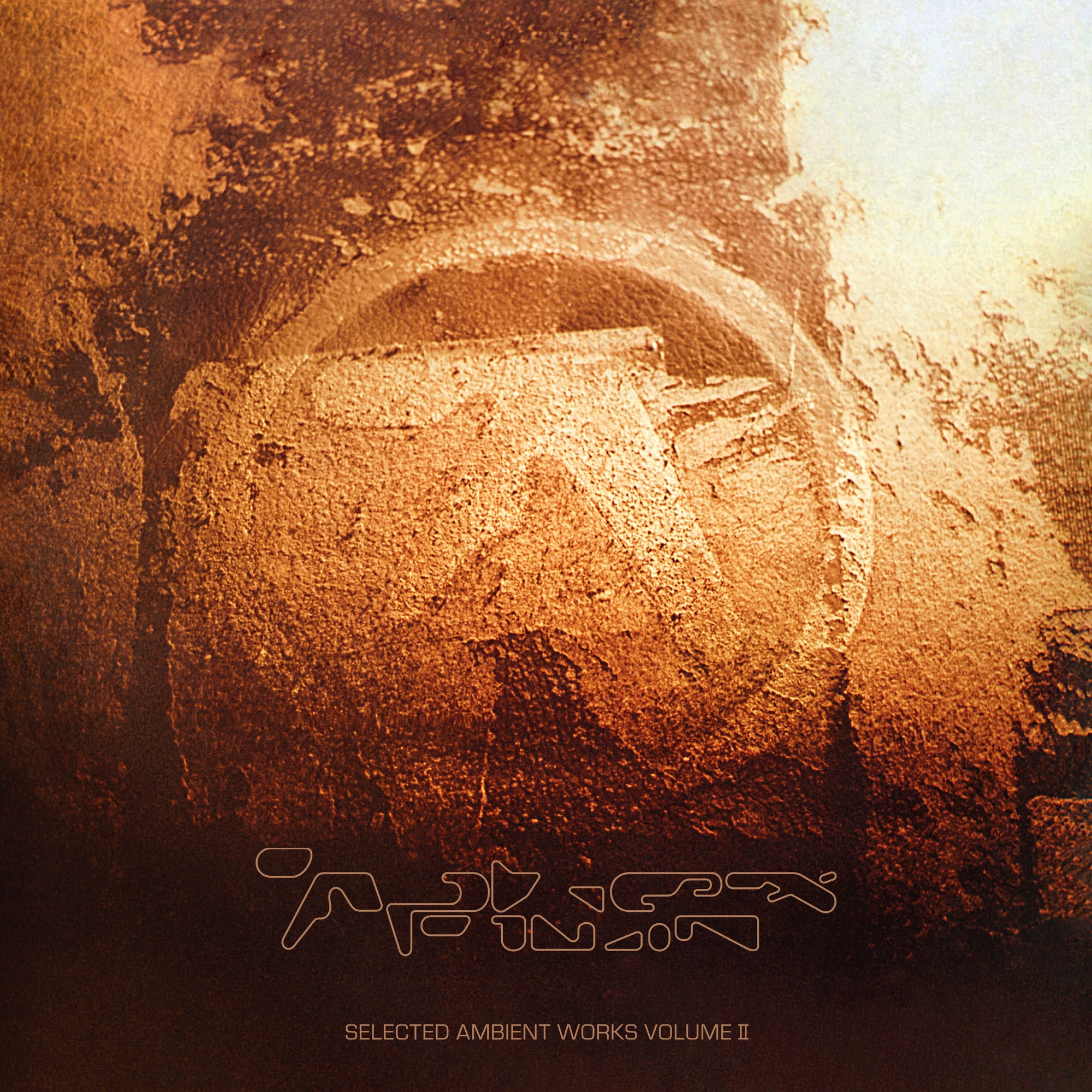
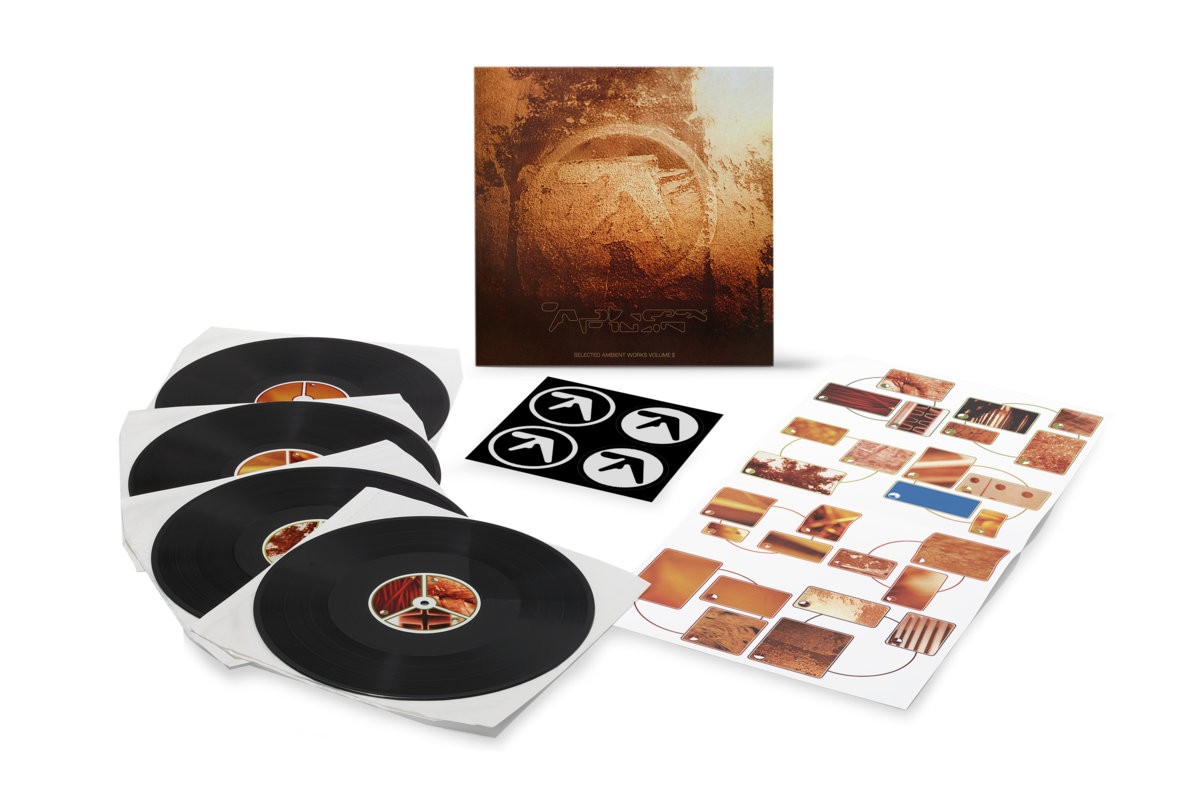
Released in 1994, Selected Ambient Works Volume II represents a deliberate departure from conventional musical form. Rather than guiding the listener through rhythm, melody, or narrative progression, the album operates as a collection of environments. Many of its tracks were originally untitled, identified instead through images, a choice that removed hierarchy and shifted interpretation away from authorial intent. This absence of naming discouraged fixed meaning, allowing listeners to form personal associations over time.
The music itself resists structure. Rhythmic anchors are minimal, melodies often submerged, and silence plays an active role. Listening becomes optional rather than required. In contrast to the functional logic of early 1990s electronic music, which emphasized immediacy and physical response, this album rejects utility altogether. It does not aim to energize, entertain, or communicate a direct message.
By minimizing expression and resolution, the album redefines attention. It exists independently of the listener’s focus, continuing whether it is actively heard or not. Music no longer occupies the foreground by default, instead becoming part of an environment that allows presence without insistence.
Released in 1994, Selected Ambient Works Volume II represents a deliberate departure from conventional musical form. Rather than guiding the listener through rhythm, melody, or narrative progression, the album operates as a collection of environments. Many of its tracks were originally untitled, identified instead through images, a choice that removed hierarchy and shifted interpretation away from authorial intent. This absence of naming discouraged fixed meaning, allowing listeners to form personal associations over time.
The music itself resists structure. Rhythmic anchors are minimal, melodies often submerged, and silence plays an active role. Listening becomes optional rather than required. In contrast to the functional logic of early 1990s electronic music, which emphasized immediacy and physical response, this album rejects utility altogether. It does not aim to energize, entertain, or communicate a direct message.
By minimizing expression and resolution, the album redefines attention. It exists independently of the listener’s focus, continuing whether it is actively heard or not. Music no longer occupies the foreground by default, instead becoming part of an environment that allows presence without insistence.
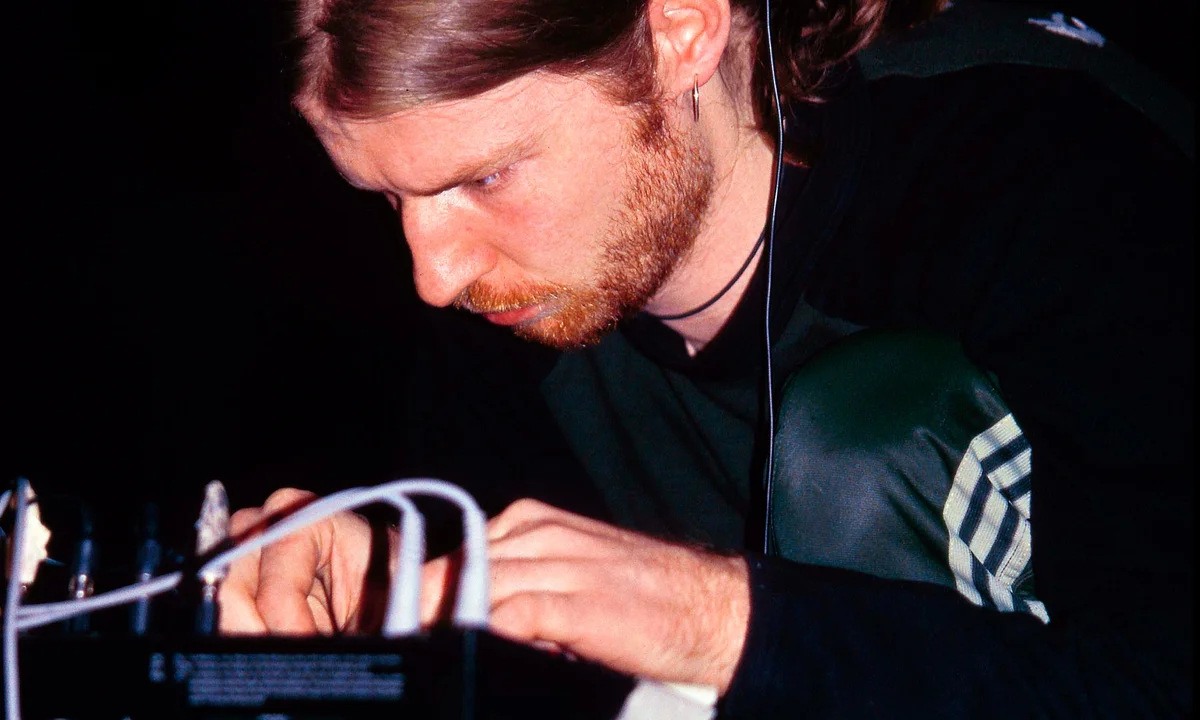
The production reinforces this approach by prioritizing texture over clarity and atmosphere over definition. Sounds bleed into one another, boundaries dissolve, and familiarity leads not to mastery but to acceptance of ambiguity. Over time, this refusal to resolve has contributed to the album’s lasting relevance.
In a cultural landscape shaped by speed and fragmentation, Selected Ambient Works Volume II feels almost oppositional. It does not compete for recognition or adapt to systems of discovery. Its impact unfolds through repeated, partial encounters that remain open to interruption. Meaning emerges quietly, through continuity rather than emphasis, suggesting that music can persist without demanding attention.
The production reinforces this approach by prioritizing texture over clarity and atmosphere over definition. Sounds bleed into one another, boundaries dissolve, and familiarity leads not to mastery but to acceptance of ambiguity. Over time, this refusal to resolve has contributed to the album’s lasting relevance.
In a cultural landscape shaped by speed and fragmentation, Selected Ambient Works Volume II feels almost oppositional. It does not compete for recognition or adapt to systems of discovery. Its impact unfolds through repeated, partial encounters that remain open to interruption. Meaning emerges quietly, through continuity rather than emphasis, suggesting that music can persist without demanding attention.
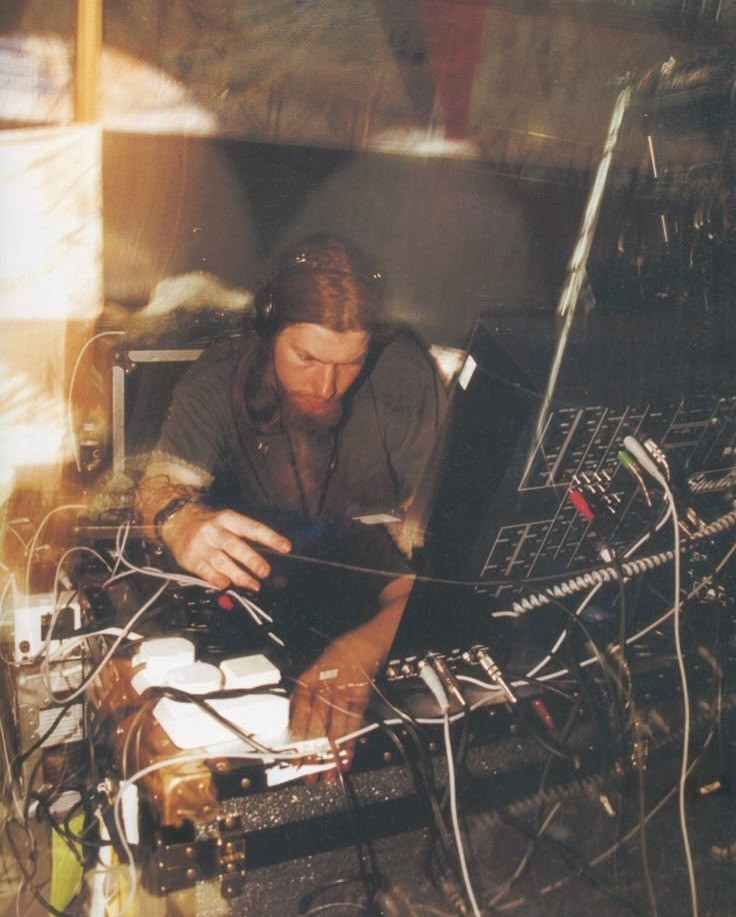
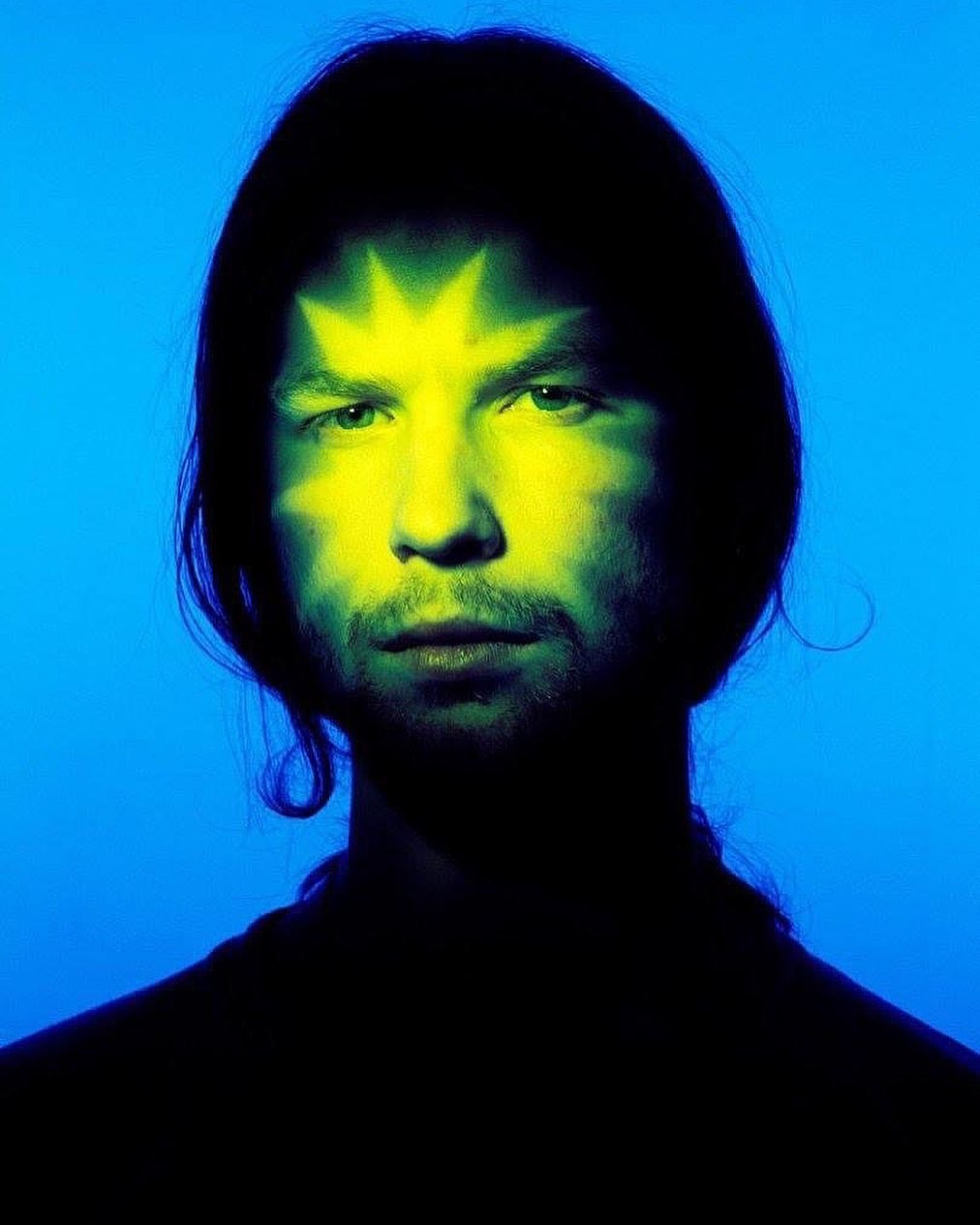
“I think music should be a bit like the environment: you don’t have to focus on it for it to affect you.”
“I think music should be a bit like the environment: you don’t have to focus on it for it to affect you.”
Aphex Twin
stay in the loop
Have work you’d like to share? Mondauge is open to artists and creators interested in contributing music, film, visual work, or writing within an editorial and cultural framework.
contact Us
stay in the loop
Have work you’d like to share? Mondauge is open to artists and creators interested in contributing music, film, visual work, or writing within an editorial and cultural framework.
contact Us
stay in the loop
Have work you’d like to share? Mondauge is open to artists and creators interested in contributing music, film, visual work, or writing within an editorial and cultural framework.