
WHEN EMOTION REFUSES TO SETTLE
[sounds]
WHEN EMOTION REFUSES TO SETTLE
[sounds]
WHEN EMOTION REFUSES TO SETTLE
[sounds]
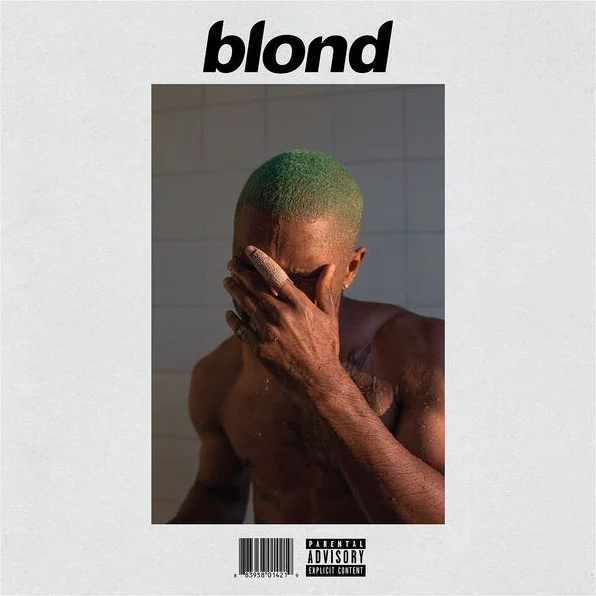
Released in 2016, Blonde marked a decisive shift in how Frank Ocean approached songwriting and album structure. Rather than presenting a linear narrative or cohesive genre identity, the record is assembled through fragmentation and interruption. Songs drift between states, often ending abruptly or dissolving before resolution. This lack of closure is not incidental. It becomes the organizing principle of the album itself.
Vocals are exposed yet unstable, frequently altered, doubled, or interrupted. Instrumentation remains sparse, sometimes barely present, allowing silence to function as structure rather than absence. Emotional moments appear briefly and recede, leaving traces rather than conclusions. The album does not offer clarity through explanation, but through proximity and repetition.
By resisting conventional pacing and payoff, Blonde reframes vulnerability as form. Emotional openness is not presented as confession, but as suspension. The listener is not guided toward understanding, but invited to remain with uncertainty. Memory, identity, and loss surface indirectly, shaped by fragments rather than narrative continuity. The album’s coherence emerges through its refusal to resolve, positioning incompleteness as a deliberate and sustained choice rather than a lack of direction.
Released in 2016, Blonde marked a decisive shift in how Frank Ocean approached songwriting and album structure. Rather than presenting a linear narrative or cohesive genre identity, the record is assembled through fragmentation and interruption. Songs drift between states, often ending abruptly or dissolving before resolution. This lack of closure is not incidental. It becomes the organizing principle of the album itself.
Vocals are exposed yet unstable, frequently altered, doubled, or interrupted. Instrumentation remains sparse, sometimes barely present, allowing silence to function as structure rather than absence. Emotional moments appear briefly and recede, leaving traces rather than conclusions. The album does not offer clarity through explanation, but through proximity and repetition.
By resisting conventional pacing and payoff, Blonde reframes vulnerability as form. Emotional openness is not presented as confession, but as suspension. The listener is not guided toward understanding, but invited to remain with uncertainty. Memory, identity, and loss surface indirectly, shaped by fragments rather than narrative continuity. The album’s coherence emerges through its refusal to resolve, positioning incompleteness as a deliberate and sustained choice rather than a lack of direction.
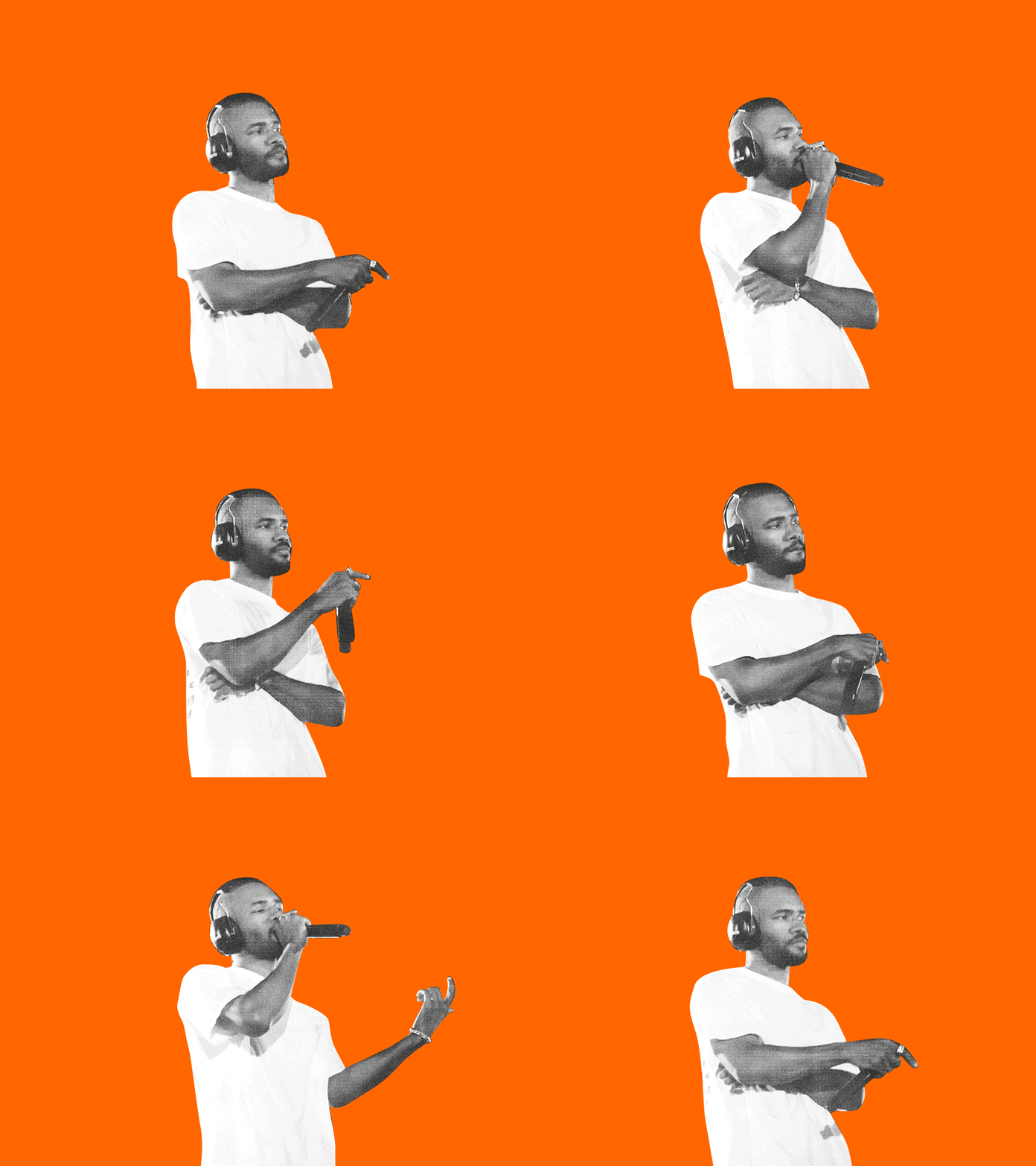
Over time, Blonde has revealed its durability through repetition rather than immediacy. Its fragmented structure encourages return, allowing meaning to shift with context, experience, and emotional proximity. The album does not exhaust itself through familiarity. Instead, it remains open, responsive to the listener’s changing perspective.
In a cultural environment that prioritizes clarity and definition, Blonde resists categorization. It avoids clear statements, branding, or emotional framing. This refusal allows the album to exist outside fixed interpretation. Coherence emerges gradually, through association rather than explanation. The work does not insist on being understood quickly, or even fully.
This restraint has contributed to its lasting relevance. By allowing ambiguity to remain unresolved, Blonde preserves emotional depth without prescribing meaning. The album suggests that intimacy does not require transparency, and that vulnerability can exist without declaration. Its influence lies not in imitation, but in its willingness to remain incomplete. Meaning unfolds slowly, shaped by patience and attention rather than immediacy or resolution.
Over time, Blonde has revealed its durability through repetition rather than immediacy. Its fragmented structure encourages return, allowing meaning to shift with context, experience, and emotional proximity. The album does not exhaust itself through familiarity. Instead, it remains open, responsive to the listener’s changing perspective.
In a cultural environment that prioritizes clarity and definition, Blonde resists categorization. It avoids clear statements, branding, or emotional framing. This refusal allows the album to exist outside fixed interpretation. Coherence emerges gradually, through association rather than explanation. The work does not insist on being understood quickly, or even fully.
This restraint has contributed to its lasting relevance. By allowing ambiguity to remain unresolved, Blonde preserves emotional depth without prescribing meaning. The album suggests that intimacy does not require transparency, and that vulnerability can exist without declaration. Its influence lies not in imitation, but in its willingness to remain incomplete. Meaning unfolds slowly, shaped by patience and attention rather than immediacy or resolution.
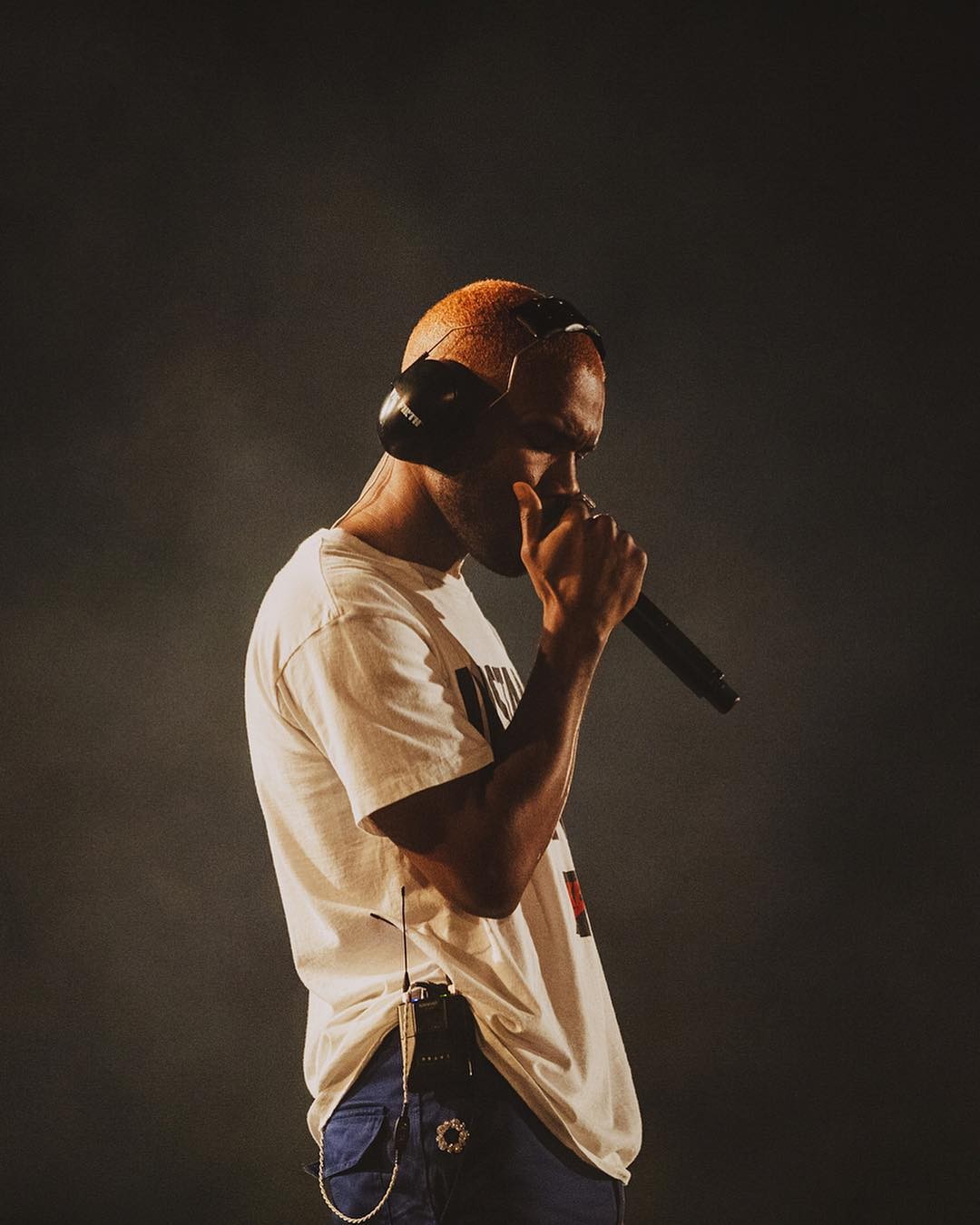
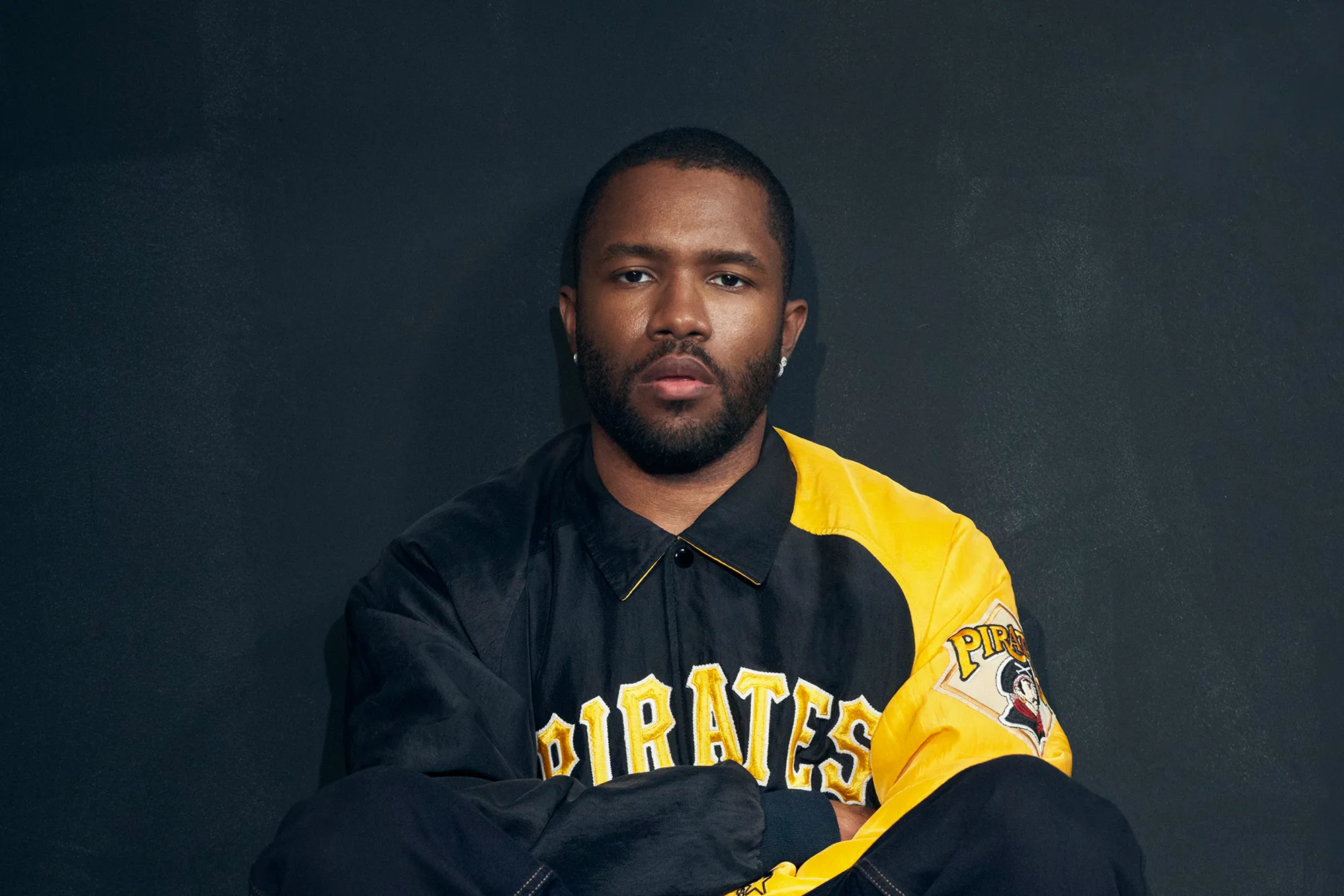
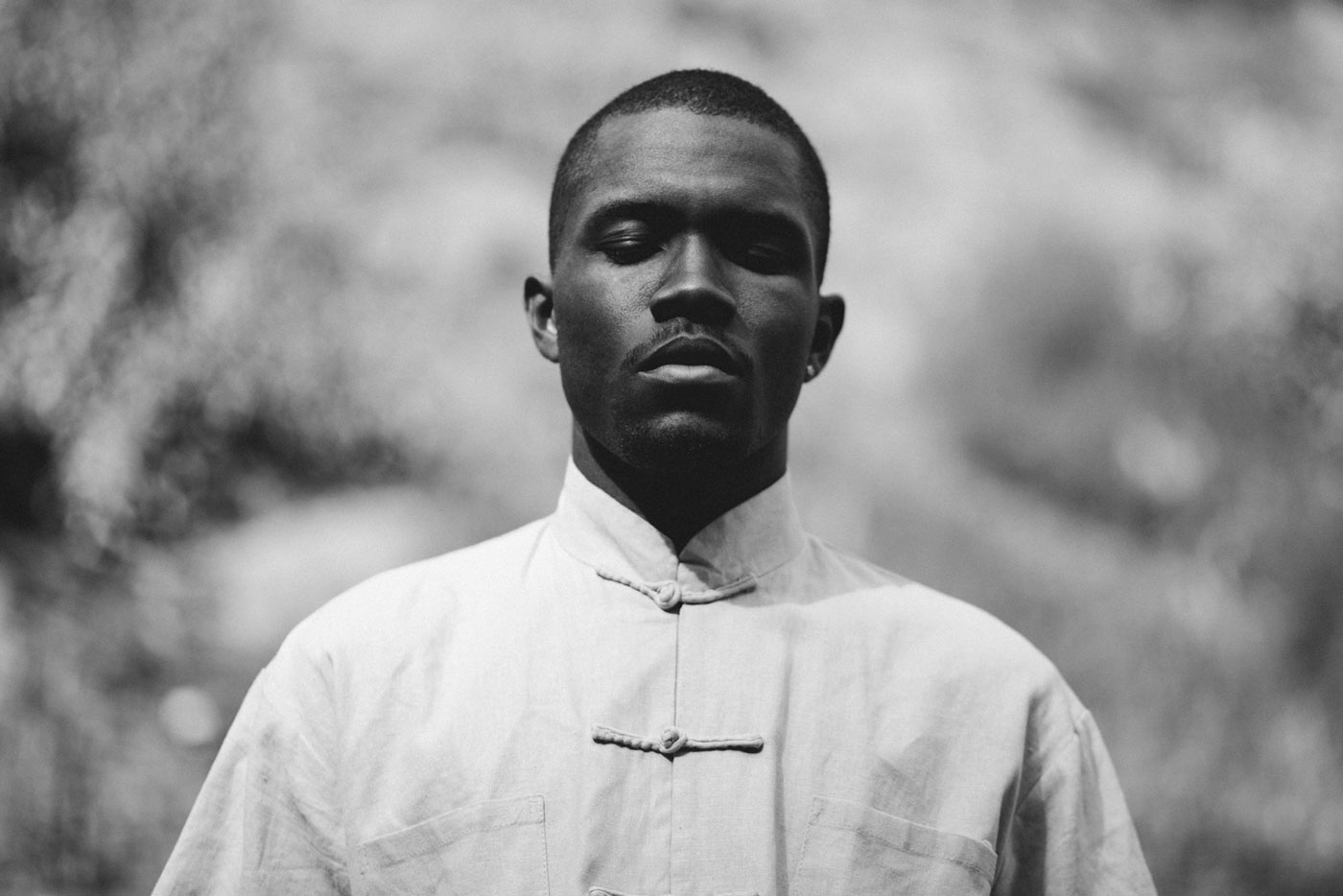
Blonde treats incompleteness as a strength rather than a flaw. By allowing emotion to remain unresolved, the album mirrors how memory and identity actually function. Meaning does not arrive through clarity, but through return. The record reminds us that some experiences are not meant to conclude, only to persist.
Blonde treats incompleteness as a strength rather than a flaw. By allowing emotion to remain unresolved, the album mirrors how memory and identity actually function. Meaning does not arrive through clarity, but through return. The record reminds us that some experiences are not meant to conclude, only to persist.
“I’m not brave. I just don’t care.”
Frank Ocean
stay in the loop
Have work you’d like to share? Mondauge is open to artists and creators interested in contributing music, film, visual work, or writing within an editorial and cultural framework.
contact Us
stay in the loop
Have work you’d like to share? Mondauge is open to artists and creators interested in contributing music, film, visual work, or writing within an editorial and cultural framework.
contact Us
stay in the loop
Have work you’d like to share? Mondauge is open to artists and creators interested in contributing music, film, visual work, or writing within an editorial and cultural framework.